
Since opening in 2004, Thresher Shark Divers has been at the forefront of conservation on Malapascua. One of the first things TSD founder Andrea did after opening was propose a set of rules for diving with the thresher sharks at Monad Shoal, both to protect the sharks and ensure responsible diving practices. Those rules were accepted by the other dive centres, are still in place today, and are generally well followed.
Conservation is not a side project for us. It is built into how we operate, how we train our staff, and how we run our intern programme. Every Saturday, our interns dedicate at least one dive to a conservation activity, whether that is a Dive Against Debris cleanup, coral nursery maintenance, or reef monitoring.
Thresher Shark Conservation
We are proud to say that shark numbers on Malapascua have never been better. In the early days, you were lucky to see a single thresher on a dive. Now it is not unusual to see 10 or more on one dive, a rare bright spot in a world of declining shark populations.
What we do:
- Sighting reports to the Shark Trust — We report thresher shark sightings to the UK-based Shark Trust to contribute to global population data.
- Photo and video submissions for population modelling — We send images and footage to a marine biologist who uses them for thresher shark population modelling and individual identification.
- Monad Shoal diving rules — We continue to uphold and promote the responsible diving rules that TSD established in 2004.
- Marine patrol support — A regular marine patrol around Malapascua monitors for illegal fishing activity.
Dive Against Debris
We run regular PADI AWARE Dive Against Debris dives, where our team and guests collect underwater rubbish from local dive sites. All data is logged and uploaded to the PADI AWARE platform, contributing to the world’s largest underwater database of marine debris.
This is one of the regular Saturday conservation activities for our interns.
Green Fins

TSD is one of the world’s top-rated Green Fins members. Green Fins is a UN Environment Programme initiative that provides the only internationally recognised environmental standards for the diving and snorkelling industry.
What this means in practice:
- Environmental briefings — Every diver and snorkeller gets a conservation briefing before entering the water.
- The Painted Wall — Our dive centre features a painted wall with environmental messaging and marine life information for guests.
- Kimud Ordinance awareness — We actively promote and report breaches of the local Kimud environmental ordinance that protects Malapascua’s marine environment.
- Ongoing environmental assessment — We follow Green Fins’ code of conduct across all our operations, from dive site management to waste handling.
Coral Nursery
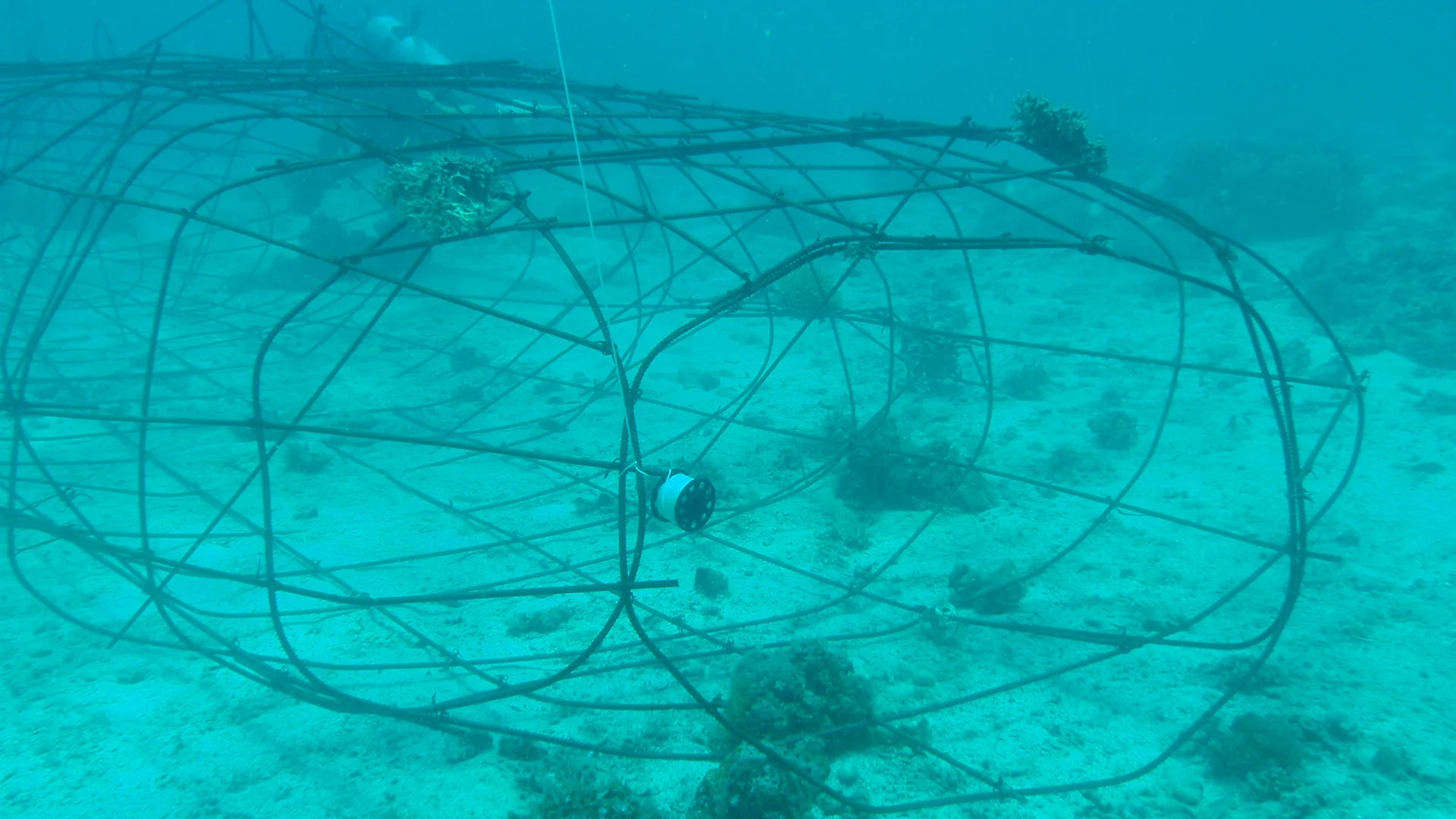
Healthy coral is the foundation of a healthy reef. We maintain an active coral nursery programme using two methods:
- Rope nursery — Coral fragments are attached to ropes where they can grow in a protected environment before being transplanted back to the reef.
- Porcupine structures — Metal dome structures that provide a framework for coral growth and create habitat for marine life at the same time.
Our interns help maintain the nursery as part of their Saturday conservation work.
Crown-of-Thorns Starfish (COTS) Monitoring
Crown-of-thorns starfish can devastate coral reefs when their population explodes. We monitor our dive sites for COTS outbreaks as part of our regular diving operations. We have not needed to carry out population control in over 18 months, which is actually good news as it means populations around our sites are currently at healthy levels.
Our friends at People and the Sea also conduct COTS monitoring and removal in the area.
COTS monitoring is integrated into our intern programme, so every cohort of interns learns how to identify and assess COTS populations.
Our Intern Conservation Programme
All of the above comes together through our intern programme. Every Saturday, interns participate in at least one conservation activity, rotating through Dive Against Debris cleanups, coral nursery work, reef monitoring, and COTS surveys. It is hands-on marine conservation training that makes a real difference to Malapascua’s reefs.
Get Involved
Want to help? Here are some organisations doing important work for shark and marine conservation:
- PADI AWARE — Global ocean conservation through diver action
- Shark Trust — UK charity dedicated to shark conservation
- Green Fins — Environmentally responsible diving standards
- Shark Guardian — Conservation, education, and research
- WildAid — Reducing demand for shark fin and other wildlife products
Or better yet, come dive with us and see it in action.