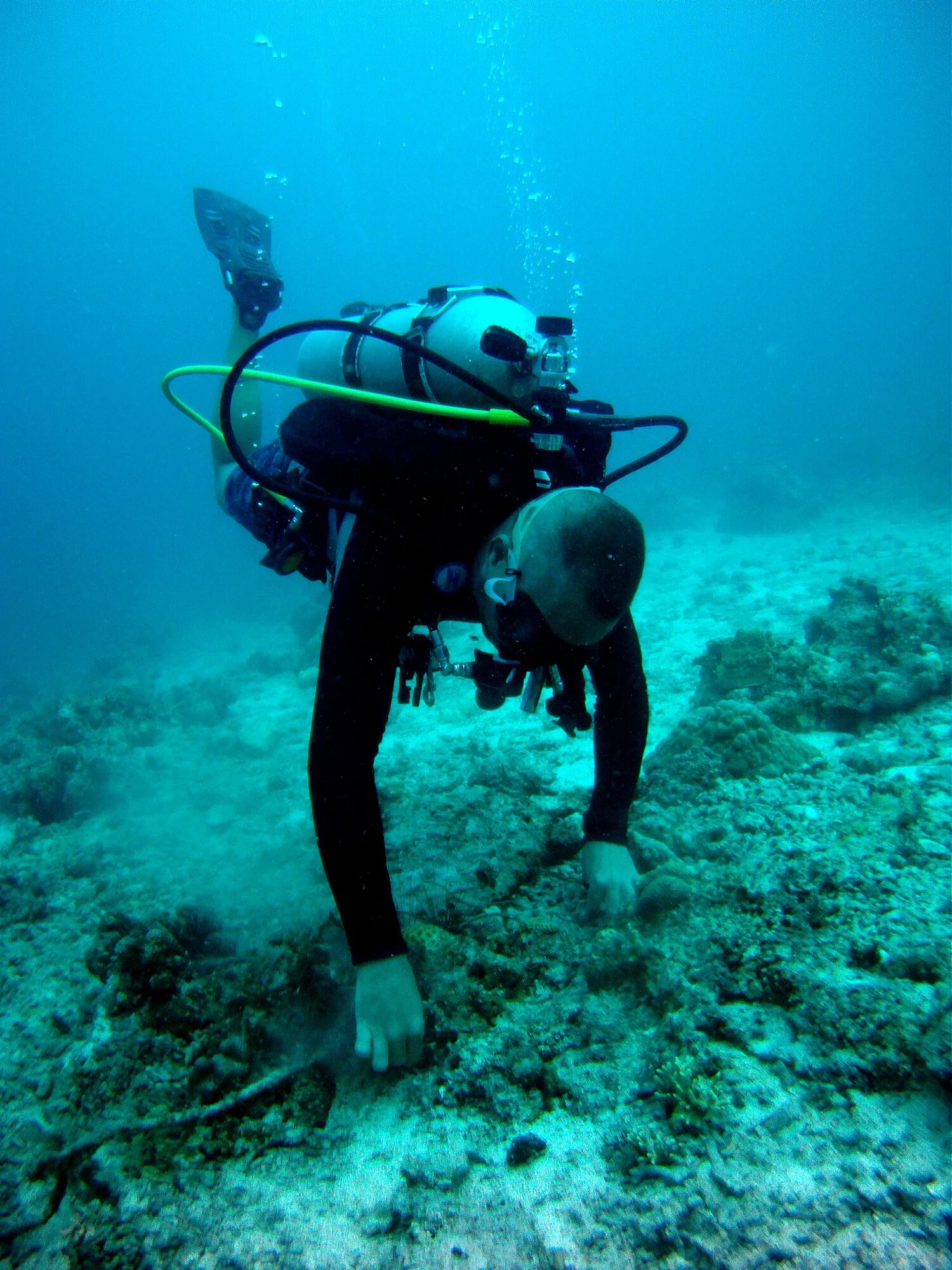

Essential Gear for PADI Dive Training: What You Need to Know
Essential Gear for PADI Dive Training: What You Need to Know
June 3, 2024
A quick overview of the topics covered in this article.
Embarking on a PADI dive training course is an exciting journey into the underwater world. Whether you’re just starting with your Open Water Diver certification or advancing to more specialized training, having the right gear is crucial. Proper equipment enhances your safety, comfort, and overall diving experience. At Thresher Shark Divers, we ensure our students are well-equipped and informed about the essential gear needed for their training. Here’s a comprehensive guide on the necessary diving equipment, tips for choosing the right gear, maintaining it, and how our center supports students with their equipment needs.
The Essential Diving Gear for PADI Courses
Mask, Snorkel, and Fins
Mask: A well-fitting mask is vital for clear vision underwater. It should create a good seal without being too tight, and the lenses should be made of tempered glass for safety. Look for masks with low volume for easier clearing and wider fields of vision.
Snorkel: A snorkel allows you to breathe at the surface without lifting your head out of the water. Choose a snorkel with a comfortable mouthpiece and a purge valve for easier clearing of water.
Fins: Fins help you move efficiently through the water. There are two main types: full-foot fins, which are ideal for warm water, and open-heel fins, which are worn with booties and are better for colder waters or more rugged conditions. Ensure the fins fit well and are comfortable for long periods of use.
Wetsuit or Drysuit
Wetsuit: Wetsuits provide thermal protection by trapping a thin layer of water between your body and the suit, which your body heat warms. The thickness of the wetsuit should match the water temperature you’ll be diving in. For tropical waters like those around Malapascua, a 3mm wetsuit is usually sufficient.
Drysuit: Drysuits are used in colder waters and keep you completely dry by sealing out water. They are more complex and require additional training to use effectively but provide superior thermal protection in cold environments.
Buoyancy Control Device (BCD)
A BCD is a critical piece of equipment that allows you to control your buoyancy underwater. It should fit comfortably and snugly without being restrictive. Look for features such as integrated weight pockets, multiple D-rings for attaching accessories, and easy-to-use inflator and deflator controls.
Regulator and Octopus
Regulator: The regulator is the device that delivers air from your tank to you. It consists of a first stage, which attaches to the tank, and a second stage, which you breathe from. Choose a regulator that is reliable, easy to breathe from, and suited to the type of diving you’ll be doing.
Octopus: The octopus is a secondary regulator for use by your dive buddy in case of an emergency. It should be brightly colored for easy visibility and have a long hose for sharing air comfortably.
Dive Computer
A dive computer tracks your depth, time underwater, and decompression status. It is an essential tool for monitoring your dive profile and ensuring you stay within safe limits. When choosing a dive computer, look for one that is user-friendly, with clear displays and features that match your diving needs.
Weight System
Weights help you achieve neutral buoyancy underwater. They can be integrated into your BCD or worn on a weight belt. The amount of weight you need will depend on factors such as your body type, the thickness of your wetsuit, and the type of diving you are doing.
Tank
Scuba tanks come in various sizes and materials, such as aluminum or steel. The choice of tank depends on your air consumption rate and the type of dive. While most dive centers provide tanks, it’s useful to understand the options available and how they affect your buoyancy and dive profile.
Choosing the Right Gear
Fit and Comfort
The most important factor in choosing dive gear is fit and comfort. Ill-fitting gear can cause discomfort and distractions, potentially compromising your safety. Always try on gear before purchasing and ensure it feels comfortable and secure.
Quality and Durability
Investing in high-quality, durable gear is essential, especially if you plan to dive frequently. Look for reputable brands and check reviews and recommendations from experienced divers and instructors.
Type of Diving
Consider the type of diving you will be doing most often. For example, if you’re diving in warm tropical waters, a thinner wetsuit and full-foot fins may be suitable. For colder or more technical dives, you might need a drysuit, heavier weights, and specialized equipment.
Maintaining Your Dive Gear
Proper maintenance of your dive gear ensures it remains in good working condition and extends its lifespan.
Regular Cleaning
Rinse all gear with fresh water after each dive to remove salt, sand, and other contaminants. Pay special attention to regulators, BCDs, and wetsuits, as these can accumulate salt and debris that can cause damage over time.
Storage
Store your gear in a cool, dry place away from direct sunlight. Hang wetsuits and BCDs to dry thoroughly before storing to prevent mold and mildew. Keep regulators in a clean, dry bag to protect them from dust and damage.
Regular Servicing
Regular servicing by a professional is crucial for maintaining the safety and performance of your gear. Regulators and BCDs should be serviced annually or according to the manufacturer’s recommendations. Inspect all gear for wear and tear before each dive.
How Thresher Shark Divers Supports Students with Equipment Needs
At Thresher Shark Divers, we understand that having the right gear is essential for a successful and enjoyable diving experience. We provide comprehensive support to ensure our students are well-equipped and confident in their equipment.
Equipment Rental
For students who do not yet own their gear, we offer high-quality rental equipment. Our rental gear is regularly maintained and serviced to ensure it is safe and reliable. This allows you to focus on your training without the immediate need to invest in a full set of equipment.
Equipment Sales
We also offer a range of top-brand diving equipment for purchase. Our experienced staff can provide personalized recommendations based on your needs, budget, and the type of diving you plan to do. Purchasing gear through Thresher Shark Divers ensures you receive high-quality products suited to your training and diving conditions.
Expert Advice and Fitting
Our team of instructors and dive professionals are available to help you choose the right gear. We offer fittings and trials to ensure your equipment fits perfectly and meets your requirements. This personalized service helps you make informed decisions and invest in gear that enhances your diving experience.
Maintenance and Servicing
We provide maintenance and servicing for all types of diving equipment. Our professional technicians ensure your gear remains in excellent condition, providing peace of mind and safety for your dives. Regular servicing through Thresher Shark Divers helps extend the lifespan of your equipment and ensures it performs optimally.
Conclusion
Diving is an exhilarating and rewarding activity, and having the right gear is essential for safety, comfort, and enjoyment. By understanding the necessary equipment for PADI courses and how to choose, maintain, and use it effectively, you can enhance your diving experience and skills. Thresher Shark Divers is committed to supporting our students with all their equipment needs, from rentals and sales to expert advice and servicing. With the right gear and guidance, you’ll be well-prepared to dive into your training and explore the wonders of the underwater world. Dive safe, dive smart, and make the most of your PADI training journey with Thresher Shark Divers.
A quick overview of the topics covered in this article.