
Sustainable Diving: Protecting Malapascua’s Marine Ecosystem
Sustainable Diving: Protecting Malapascua’s Marine Ecosystem
June 3, 2025
Diving is a unique and awe-inspiring way to explore the underwater world, offering a glimpse into the vibrant and diverse marine life that exists beneath the surface. However, with the increasing popularity of scuba diving, it is crucial to ensure that our activities do not harm these fragile ecosystems. Sustainable diving practices are essential to protecting marine environments and preserving them for future generations. At Thresher Shark Divers, we are deeply committed to marine conservation and promoting sustainable diving practices. Here’s how we contribute to marine conservation and how our students can get involved in protecting Malapascua’s beautiful marine ecosystem.
The Importance of Sustainable Diving Practices
Protecting Marine Life
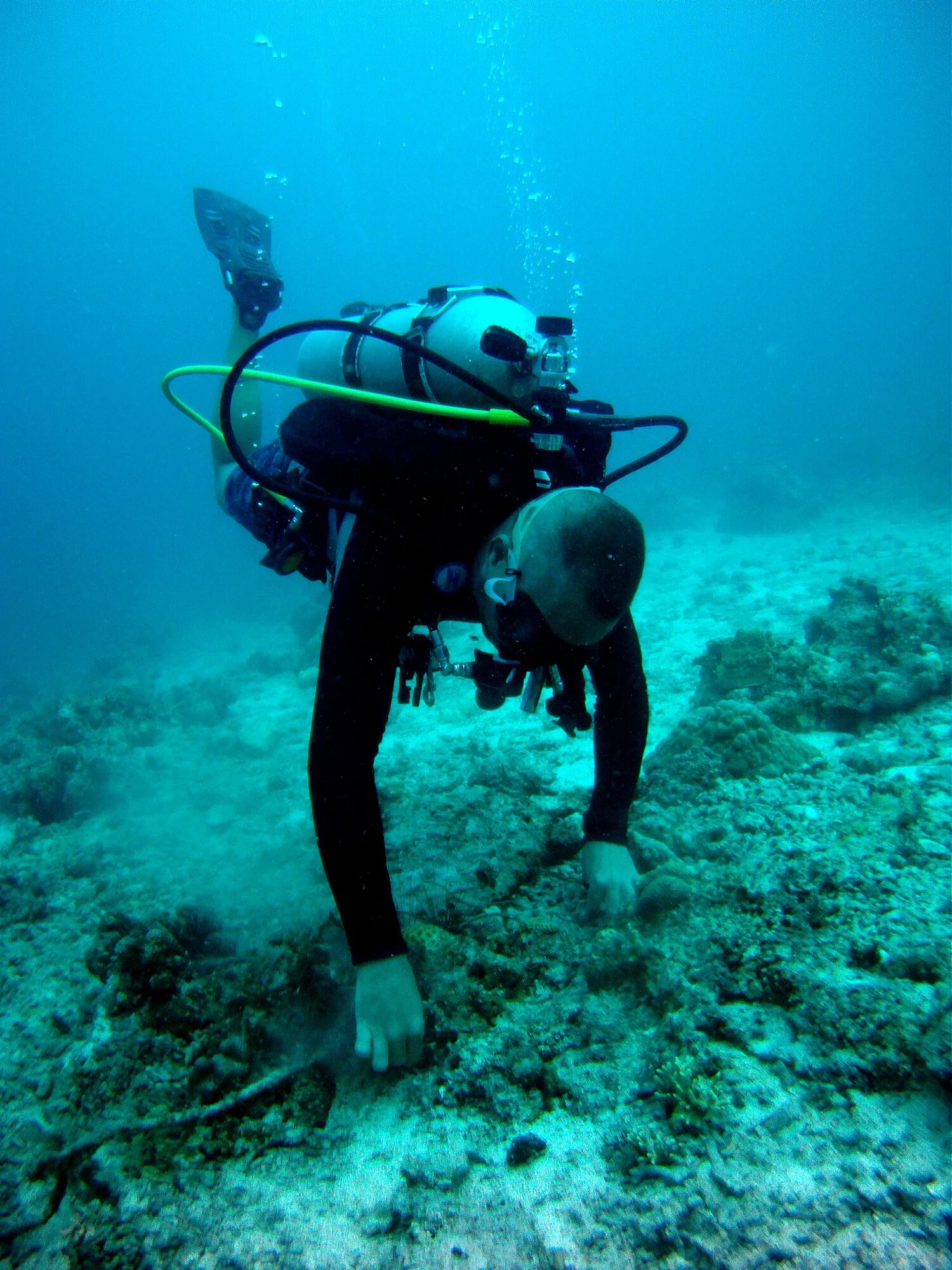
The marine ecosystem around Malapascua Island is home to an incredible array of marine life, including the iconic thresher sharks, vibrant coral reefs, and a multitude of fish species. Unsustainable diving practices can cause significant damage to these ecosystems. For example, touching or breaking corals can lead to their death, while careless finning can stir up sediment, smothering marine life and reducing water quality.
Preserving Dive Sites
Popular dive sites can suffer from overuse if divers do not follow sustainable practices. This can lead to degradation of the underwater environment, making it less attractive for both marine life and future divers. Sustainable diving ensures that these sites remain pristine and beautiful, providing an enjoyable experience for all.
Contributing to Conservation Efforts
Diving sustainably is not just about minimizing harm; it’s also about actively contributing to the conservation of marine ecosystems. By participating in conservation programs and supporting marine protection initiatives, divers can help ensure the health and longevity of these underwater worlds.
Sustainable Diving Practices
Buoyancy Control
Mastering buoyancy control is one of the most important skills for sustainable diving. Good buoyancy control allows divers to hover effortlessly without touching or damaging the reef. It also helps in reducing the risk of stirring up sediment, which can smother marine life and disrupt the ecosystem.
Tips for Better Buoyancy Control:
- Practice Regularly: Frequent practice and buoyancy exercises can help improve your control.
- Use a BCD: A Buoyancy Control Device (BCD) is essential for maintaining neutral buoyancy.
- Proper Weighting: Ensure you are not carrying too much or too little weight, as this can affect your ability to control buoyancy.
Avoiding Contact with Marine Life
Direct contact with marine life can be harmful. Corals, for instance, are very fragile and can be easily damaged by touch. Additionally, some marine animals can be stressed or injured by human contact.
Guidelines to Follow:
- Look but Don’t Touch: Admire marine life from a distance without touching.
- Mind Your Fins: Keep your fins away from the reef and avoid kicking up sediment.
- Stay Off the Bottom: Try to stay mid-water and avoid resting on the seabed.
Using Reef-Safe Sunscreen
Some sunscreens contain chemicals that are harmful to corals and other marine life. Choosing a reef-safe sunscreen helps minimize this impact.
Choosing the Right Sunscreen:
- Look for Mineral-Based Sunscreens: These typically contain zinc oxide or titanium dioxide, which are less harmful to marine life.
- Check for Reef-Safe Labels: Many brands now indicate whether their products are reef-safe.
Thresher Shark Divers’ Commitment to Marine Conservation
At Thresher Shark Divers, we take our responsibility to the environment seriously. We are dedicated to protecting Malapascua’s marine ecosystem and promoting sustainable diving practices among our students and guests.
Marine Conservation Programs
We actively participate in and support various marine conservation programs aimed at protecting the unique marine life around Malapascua Island.
Ongoing Initiatives:
- Thresher Shark Conservation: We work with local and international organizations to monitor and protect the thresher shark population, which is a significant draw for divers to the area.
- Coral Reef Restoration: Our team participates in coral planting and reef restoration projects to help rebuild damaged reef areas.
- Marine Debris Cleanups: Regular beach and underwater cleanups are organized to remove trash and debris that can harm marine life.
Educating Divers
Education is a key component of our conservation efforts. We provide our students and guests with information on sustainable diving practices and the importance of marine conservation.
Educational Efforts:
- Pre-Dive Briefings: Before each dive, we brief our divers on the importance of sustainable practices and how to avoid damaging the reef.
- Specialty Courses: We offer specialty courses focused on marine conservation, such as the PADI Project AWARE Specialist course, which teaches divers about ocean conservation issues and how to take action.
- Workshops and Seminars: We regularly host workshops and seminars on marine biology and conservation topics to educate our diving community.
How Students Can Get Involved
There are many ways that students can get involved in marine conservation efforts and contribute to protecting Malapascua’s marine ecosystem.
Participate in Conservation Activities
Join our conservation programs and activities to make a direct impact.
Opportunities for Involvement:
- Beach and Underwater Cleanups: Participate in regular cleanup events to help keep our beaches and dive sites free of debris.
- Coral Restoration Projects: Get involved in coral planting and reef restoration initiatives.
- Shark Monitoring: Assist in monitoring thresher sharks and other marine species as part of ongoing research and conservation efforts.
Take Conservation Courses
Enhance your knowledge and skills by enrolling in conservation-focused dive courses.
Recommended Courses:
- PADI Project AWARE Specialist: Learn about global marine conservation issues and how you can help.
- PADI Coral Reef Conservation: Gain a deeper understanding of coral reef ecosystems and the threats they face.
- PADI AWARE Shark Conservation: Discover the importance of sharks to marine ecosystems and how to protect them.
Support Sustainable Practices
Practice sustainable diving techniques and encourage others to do the same.
Sustainable Practices to Adopt:
- Lead by Example: Demonstrate good buoyancy control, avoid touching marine life, and use reef-safe sunscreen.
- Spread Awareness: Educate fellow divers about the importance of sustainable diving practices.
- Reduce Waste: Minimize your use of single-use plastics and dispose of waste properly to reduce marine debris.
Thresher Shark Divers’ Role in Promoting Sustainability
Our dive center is dedicated to fostering a culture of sustainability and environmental stewardship among our divers. By providing education, resources, and opportunities for involvement, we aim to create a community of environmentally conscious divers committed to protecting the marine environment.
Sustainable Operations
We implement sustainable practices in our daily operations to minimize our environmental footprint.
Eco-Friendly Practices:
- Waste Reduction: We have implemented measures to reduce waste, such as using reusable containers and encouraging the use of refillable water bottles.
- Energy Efficiency: Our facilities are designed to be energy-efficient, and we use renewable energy sources where possible.
- Responsible Tourism: We promote responsible tourism practices, ensuring that our activities do not harm the local environment or community.
Community Engagement
Engaging with the local community is essential for effective conservation. We work closely with local stakeholders to promote marine conservation and sustainable development.
Community Initiatives:
- Environmental Education: We provide environmental education programs for local schools and communities to raise awareness about marine conservation.
- Support for Local Conservation Efforts: We collaborate with local organizations and government agencies on conservation projects and initiatives.
- Sustainable Livelihoods: We support sustainable livelihoods for the local community, such as eco-tourism and responsible fishing practices.
Conclusion
Sustainable diving is essential for protecting the beautiful and diverse marine ecosystem around Malapascua Island. By adopting sustainable diving practices, participating in conservation activities, and supporting marine protection initiatives, we can all contribute to preserving these underwater wonders for future generations. At Thresher Shark Divers, we are committed to promoting marine conservation and providing our students with the knowledge and opportunities to make a positive impact. Dive responsibly, get involved, and join us in our mission to protect Malapascua’s marine ecosystem. Together, we can make a difference and ensure that the incredible marine life around Malapascua Island thrives for years to come.